Removals for Southbank flats near Jubilee Gardens
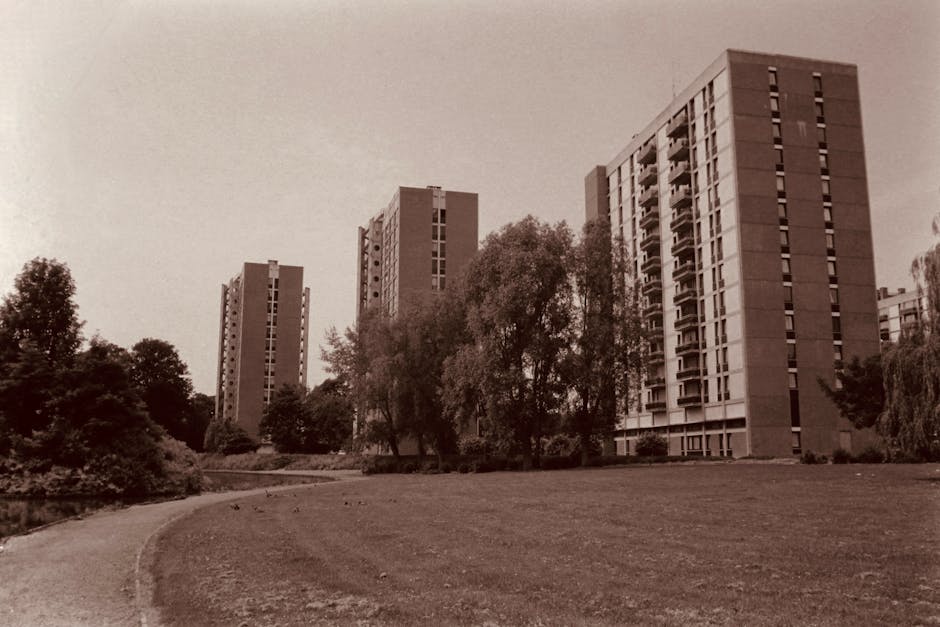
If you are planning removals for Southbank flats near Jubilee Gardens, you already know this is not your average move. Tight corridors, lift bookings, busy streets, awkward parking, and the general "where on earth do we put the sofa?" feeling can make a short move feel oddly complicated. The good news is that with the right planning, a flat move around Jubilee Gardens can be smooth, efficient, and far less stressful than people expect.
This guide walks through what matters most: how the process works, what to watch out for in Southbank apartments, where the real time delays usually come from, and how to prepare so moving day feels under control rather than chaotic. We will also cover practical service options, useful checks, and a realistic step-by-step approach that suits riverside flats, modern developments, and busy central London access patterns.
Whether you are moving out of a compact studio, shifting into a larger apartment, or just trying to organise a same-day change with minimal disruption, this article will help you make better decisions. Truth be told, a calm move is mostly down to good preparation. The truck matters, yes, but the planning matters more.
Why Removals for Southbank flats near Jubilee Gardens Matters
Southbank is one of those London areas where the view is lovely and the logistics can be a bit less lovely. Jubilee Gardens sits right in the middle of a very active part of the city, with foot traffic, event crowds, delivery vehicles, and the everyday rhythm of central London all competing for space. For flat moves, that matters a great deal.
In practical terms, removals here often involve more than simply loading boxes into a van. You may need to coordinate access windows, manage lift restrictions, protect shared hallways, and work around building rules that are stricter than in a typical suburban street. If you have ever tried to manoeuvre a wardrobe down a narrow communal stairwell while someone is waiting for the lift, you will know the feeling. Not ideal.
This is why flat removals are a distinct service, and why local familiarity helps. A mover used to central London apartments tends to understand the small but important things: how to park sensibly, how to keep the job moving in a busy zone, and how to avoid turning one booked slot into a long afternoon of waiting. For many households, that difference is the line between a smooth move and a messy one.
There is also a peace-of-mind element. When you are leaving or arriving in a high-density area, you want assurance that fragile items, furniture, and building shared spaces will be handled properly. Good planning reduces stress, protects the property, and saves time on both sides.
How Removals for Southbank flats near Jubilee Gardens Works
Flat removals near Jubilee Gardens usually follow a fairly predictable structure, but the details matter. A move starts with a clear assessment of what needs moving, how much space you have, and what type of vehicle and crew will be suitable. A one-bedroom flat with a few boxes is one thing; a two-bedroom apartment with a dining table, mattress, bicycle, and awkward balcony furniture is another.
Most good removals begin with a simple conversation about access. Can a van stop close to the building? Is there a loading bay? Are there time restrictions? Does the lift need booking? Are there any items that will need to be dismantled? These questions are not bureaucracy for the sake of it. They save real time on the day.
For Southbank flats, it is common to factor in building management rules, concierge arrangements, and the practical problem of busy pavements. You may also need to think about whether your move should happen earlier in the morning, when traffic is lighter, or later in the day, depending on access and building policies. To be fair, a 30-minute delay in this part of London can turn into a much longer one if the plan is vague.
If you are comparing services, a flexible option such as man and van support can be ideal for smaller flat moves, while a broader removal services package may suit larger households or more complicated jobs. For packed-to-the-ceiling flats, using a dedicated removal van or even a larger vehicle through moving truck options can make the day noticeably easier.
Key Benefits and Practical Advantages
There are several real advantages to booking a specialist flat move in this area rather than trying to improvise it yourself.
- Better handling of access issues: A team that understands central London flats can adapt when the lift is busy, the kerb is crowded, or the loading point is tighter than expected.
- Less physical strain: Carrying boxes, white goods, and furniture through apartment corridors is tiring work. It is also where a lot of avoidable damage happens.
- Time savings: Moves that seem "small" can still take ages if the packing is inconsistent or the route from flat to vehicle is long.
- Protection for shared spaces: Careful handling helps avoid scrapes in lift interiors, hallways, and entryways.
- Lower risk of breakage: Proper loading matters more than people think. A box packed badly can do more damage than a heavy one packed well.
- More predictable budgeting: Once the access and volume are clear, you can estimate the service more accurately.
One understated benefit is simply mental calm. You will notice it on the morning of the move. The boxes are labelled, the timings are clear, the van arrives, and nobody is standing around asking which key opens which door. That alone is worth a lot.
For bigger homes or mixed-property moves, you may also want to explore flat removals as a broader service category, or combine the move with packing and boxes support if you are short on time and energy. Honestly, packing properly is half the battle.
Who This Is For and When It Makes Sense
This kind of move makes sense for several different situations. Some are obvious, others less so.
First-time renters in Southbank often need a move that is fast, affordable, and uncomplicated. A compact van, careful loading, and a little help with the heavy stuff can be exactly right.
Couples or sharers moving between flats often have a mix of furniture and boxes that needs a more structured approach. Even one shared wardrobe or desk can change the whole plan.
Families downsizing into an apartment near Jubilee Gardens may need a more considerate, full-service move, especially if they are bringing items that have to be dismantled or protected carefully.
Students or young professionals sometimes need a quick turnaround with limited volume, where speed and efficiency matter more than a large crew. In those cases, student removals can be a sensible fit.
People moving on a tight schedule may need same-day flexibility if keys are delayed or a tenancy handover changes late in the day. It happens more often than you would think.
It also makes sense if your building has awkward rules. Maybe the lift can only be booked for a short period. Maybe the concierge needs notice. Maybe your outgoing flat has no easy parking whatsoever. Those are exactly the kinds of situations where a local mover can save you from a headache.
Step-by-Step Guidance
Here is a practical way to organise a Southbank flat move without making it harder than it needs to be.
- List everything you are moving. Start with furniture, white goods, bikes, fragile items, and boxes. You do not need perfection, but you do need a realistic volume estimate.
- Check access at both properties. Measure lifts, note stair widths, and look at the route from the flat to the street. A 20-metre carry can feel much longer with a mattress in the rain.
- Identify restrictions early. Look for booking windows, concierge requirements, parking limitations, and any building notices about moves.
- Pack by priority. Keep essentials, documents, chargers, and toiletries separate. Put them somewhere you can find without rummaging through 17 identical boxes.
- Disassemble what can be safely taken apart. Beds, some tables, and shelving often move more safely once broken down.
- Label clearly. Mark boxes by room and content type. "Kitchen - fragile" is helpful. "Odds and ends" is not, unless you enjoy mystery.
- Confirm arrival time and contact details. This sounds basic, but it prevents a lot of day-of confusion.
- Prepare the property. Clear corridors, protect floors if needed, and make sure the route is easy to walk.
- Do a final sweep. Check cupboards, windows, balcony areas, and behind doors. Small items always hide where you least want them to.
- Keep essentials with you. Important documents, medication, valuables, and keys should not go in the back of the van.
If you want extra support, it can help to combine the move with packing and unpacking services. That is especially useful if your schedule is tight or you are moving after work. A move at 7pm on a weekday is never quite as glamorous as people imagine, by the way.
Expert Tips for Better Results
Here are the little things that make a big difference in Southbank flat moves.
1. Book the right size vehicle. Too small and you risk multiple trips. Too large and you may complicate access. The sweet spot depends on how much furniture you actually have, not how much you think you have after staring at it for five minutes.
2. Keep the path to the van as short as possible. If you can reserve access, do it. If not, identify the nearest practical loading point in advance. In central London, that one decision can save a surprising amount of time.
3. Protect fragile items before moving day. Mirrors, glass, monitors, and lamps should be wrapped and boxed so they are ready to load, not still waiting for bubble wrap at 8am.
4. Use one labelled essentials box. Put kettle, mugs, phone charger, toilet paper, cleaning wipes, and a change of clothes in it. You will thank yourself later, probably with tea.
5. Take photos before dismantling furniture. This helps when reassembling things at the new place. It is a small habit, but very useful.
6. Leave some flexibility in the schedule. Southbank traffic, building access delays, and lift waits are all normal. Expecting the unexpected is just sensible here.
7. Consider whether storage is needed. If you are moving out before the new flat is ready, short-term storage can keep the day from becoming frantic.
Common Mistakes to Avoid
A lot of moving stress comes from a handful of avoidable mistakes. Once you know them, they are easy enough to sidestep.
- Underestimating access problems: Central London apartments can look simple until you realise the lift is tiny, the route is longer than expected, and parking is awkward.
- Packing too late: Leaving most of the work until the night before almost always creates chaos. It also makes fragile items more likely to be packed badly.
- Not measuring large furniture: Wardrobes, sofas, and beds can look manageable in a room but awkward in a lift or stairwell.
- Forgetting to tell the building: Some apartment blocks need notice before a move. Failing to check can cause delays at the worst possible moment.
- Mixing essentials with general boxes: If the kettle is buried under books, the first evening in the new flat will feel longer than it should.
- Choosing a service without checking insurance and safety processes: You want a mover that handles belongings and shared property responsibly.
- Overfilling boxes: A box full of books is manageable; a box full of books and kitchenware is a back complaint waiting to happen.
To be fair, one of the most common issues is simply optimism. People think, "It's only a flat move." Then the hallway says otherwise. A realistic plan saves a lot of grumbling later.
Tools, Resources and Recommendations
You do not need specialist equipment for every flat move, but a few basic tools make the whole process cleaner and safer.
- Sturdy boxes: Use good-quality boxes that hold shape when stacked.
- Packing paper or wrap: Helpful for dishes, frames, and fragile homeware.
- Furniture blankets: These reduce scratches during loading and transit.
- Labels and marker pens: Simple, but essential.
- Basic tools: A screwdriver set, Allen keys, and tape can save time during dismantling.
- Reusable bags or crates: Handy for loose items, cables, and small kitchen bits.
If you need help getting items ready, packing and boxes support can take the pressure off, particularly if the flat is still fully lived-in. For bulky unwanted items, furniture removals or furniture pick up may be more practical than trying to shift everything yourself.
It is also sensible to review the company's published policies before booking. Pages such as insurance and safety, health and safety policy, pricing and quotes, and terms and conditions help you understand how the service is managed. That is especially useful if you are comparing providers and want to avoid any nasty little surprises.
Law, Compliance, Standards, or Best Practice
For a flat move near Jubilee Gardens, the most relevant compliance concerns are usually practical rather than dramatic. You are not generally dealing with complex regulation as a customer, but there are still clear best practices worth following.
Parking and access: Central London moves often need careful attention to loading, stopping, and building access rules. If you are using communal spaces, make sure the mover understands where vehicles can and cannot wait.
Building rules: Many apartment blocks have move-in and move-out procedures. These can include lift protection, advance booking, time slots, and requirements to use service entrances. Ignoring them causes friction. No one wants that on moving day.
Safety and handling: Good practice means carrying items in a way that reduces risk to people and property. That includes sensible lifting, proper loading, and clear communication between movers.
Insurance awareness: It is wise to understand what cover is included and what your own home contents policy may require. This is not about fear; it is about clarity.
Waste and disposal: If you are getting rid of old items, use proper disposal or reuse routes where appropriate. A responsible mover should have a sensible approach to recycling and sustainability. Less waste, less hassle.
When in doubt, ask direct questions before booking. A trustworthy provider will answer them clearly rather than wrapping everything in vague assurances. That kind of plain English matters.
Options, Methods, or Comparison Table
Choosing the right approach depends on the size of the move, the access situation, and how much help you want on the day. Here is a simple comparison to help.
| Option | Best for | Pros | Watch out for |
|---|---|---|---|
| Man and van | Small flats, lighter loads, flexible schedules | Usually quick, efficient, and cost-conscious | May need more trips if you have bulky furniture |
| Full removal service | Larger apartments or more complex moves | More support, better for heavy and fragile items | Needs stronger planning and may cost more |
| Removal van only | Moves where you want transport but can handle more of the lifting | Good for straightforward jobs | You need to be realistic about the physical work involved |
| Truck hire | Large loads or multiple room moves | Useful when volume is high | Parking and access become even more important |
| Storage plus move | Delayed completions, staging, or gap periods | Reduces pressure when dates do not line up | Requires extra coordination |
If you are unsure which option fits best, start with the size of your actual inventory and the access at both addresses. That is the honest answer. Not the glamorous one, but the right one.
Case Study or Real-World Example
Imagine a one-bedroom flat near Jubilee Gardens with a bed frame, mattress, two shelving units, a small dining table, a bike, and about 18 boxes. On paper, this sounds manageable. And it is manageable. But there are two complications: the building lift is shared with other residents, and the nearest practical loading point is not right outside the door.
A well-planned move in that situation might look like this. The mover arrives at the agreed time, confirms access, loads the heavier items first, and keeps fragile boxes separate from the awkward furniture. The bed frame is dismantled in advance, the route from flat to van is kept clear, and the bike is padded so it does not knock into anything. The whole process feels orderly rather than frantic.
Now compare that with the less organised version. Boxes are unlabeled, the mattress is still wrapped in a bedsheet, the lift booking was never checked, and the mover is waiting while someone runs upstairs for keys. That version still gets done, of course, but it is slower, noisier, and more stressful for everyone.
That small difference in preparation is usually what separates a decent move from a tiring one. Not magic. Just planning.
Practical Checklist
Use this checklist a day or two before the move. It keeps things simple.
- Confirm the moving date and time.
- Check lift access and building rules.
- Measure large furniture and doorways.
- Label boxes by room and priority.
- Set aside essentials for the first night.
- Pack fragile items securely.
- Disassemble furniture where needed.
- Protect floors, corners, and shared surfaces if appropriate.
- Keep keys, documents, and valuables with you.
- Review insurance, safety, and terms information before the day.
- Plan where the vehicle can stop or wait.
- Arrange storage if dates do not line up.
- Do one final walk-through of every room, cupboard, and balcony.
Expert summary: The best Southbank flat removals are the ones that feel boring on the day. That is a compliment. Clear access, accurate volume estimates, sensible packing, and a mover who understands central London logistics usually beat last-minute improvisation every time.
Conclusion
Removals for Southbank flats near Jubilee Gardens are all about smart preparation and choosing a service that understands the realities of flat living in central London. The area is busy, the access can be tight, and the move will almost always go better if you plan for the small details rather than hoping they sort themselves out. They rarely do.
Whether you are moving a few boxes or a full flat's worth of furniture, the same principles apply: know your access, pack properly, confirm the vehicle size, and keep your essentials separate. If the move feels bigger than you first thought, that is normal. It does not mean it has to be overwhelming.
Get a free quote today and see how much you can save.
And if you are still in the planning stage, take your time, ask the practical questions, and build the move around real conditions rather than wishful thinking. A calm move is a good move. Simple as that.
Frequently Asked Questions
How much notice do I need for removals for Southbank flats near Jubilee Gardens?
As much notice as you can give is best, especially if your building needs lift bookings or access coordination. Small flat moves can sometimes be arranged quickly, but more notice usually means less stress and better timing.
Is a man and van service enough for a flat near Jubilee Gardens?
For studios and smaller one-bedroom flats, it often is. If you have heavier furniture, lots of boxes, or awkward access, you may need something more structured than a basic transport-only arrangement.
What makes Southbank flat removals different from a normal house move?
The main difference is access. Flats usually involve lifts, corridors, shared entrances, and parking restrictions. House moves often have easier loading access, which makes a big difference on the day.
Should I book packing help as well?
If you are short on time or moving fragile items, packing support can be a very good idea. It reduces the chance of breakage and saves you from the all-too-familiar last-night packing scramble.
Can removals be done the same day if keys are delayed?
Sometimes, yes. It depends on availability and the size of the move. If your timing is uncertain, ask about flexibility early so you are not left improvising at the last minute.
How do I know what size van or truck I need?
Start with an honest list of furniture and boxes. A mover can usually recommend the right vehicle once they know whether you are moving a few items, a one-bedroom flat, or a fuller household load.
What should I do with items I do not want to take?
Separate them before moving day and decide whether they can be reused, collected, or disposed of responsibly. If you have larger pieces, furniture removal or pick-up support can be helpful.
Do I need to be present during the move?
Usually, yes, or at least someone needs to be available to confirm access, answer questions, and sign off the move. It keeps things moving smoothly and avoids confusion.
How can I protect shared areas in an apartment block?
Use careful lifting, good packing, and sensible route planning. If the building has rules about lift covers or floor protection, follow them. It is a small effort that prevents bigger problems.
What happens if there is no parking near my Southbank flat?
That is a common central London issue, so it is worth flagging early. A good mover will help plan the closest practical stopping point and work around the access as efficiently as possible.
Can I use storage if my move-in date is not ready yet?
Yes, storage can bridge the gap between leaving one property and entering the next. It is especially useful if your completion date changes or your new flat is not ready on schedule.
Are flat removals suitable for students or young professionals?
Absolutely. If you are moving a smaller load and want a simple, cost-conscious approach, a compact service can be a very good fit. Student removals are often just about keeping things efficient and not overcomplicating the day.
What should I ask before booking a removals company?
Ask about vehicle size, access planning, insurance, timing, packing support, and any building requirements. Clear answers at the start usually mean fewer surprises later.
What is the best way to keep moving day calm?
Pack early, label clearly, confirm access, and keep your essentials separate. That combination sounds basic, but it genuinely works. A little order goes a long way.